Reps. Haley Stevens & Hillary Scholten Visit ICE Detention Facility in Lake County, Michigan
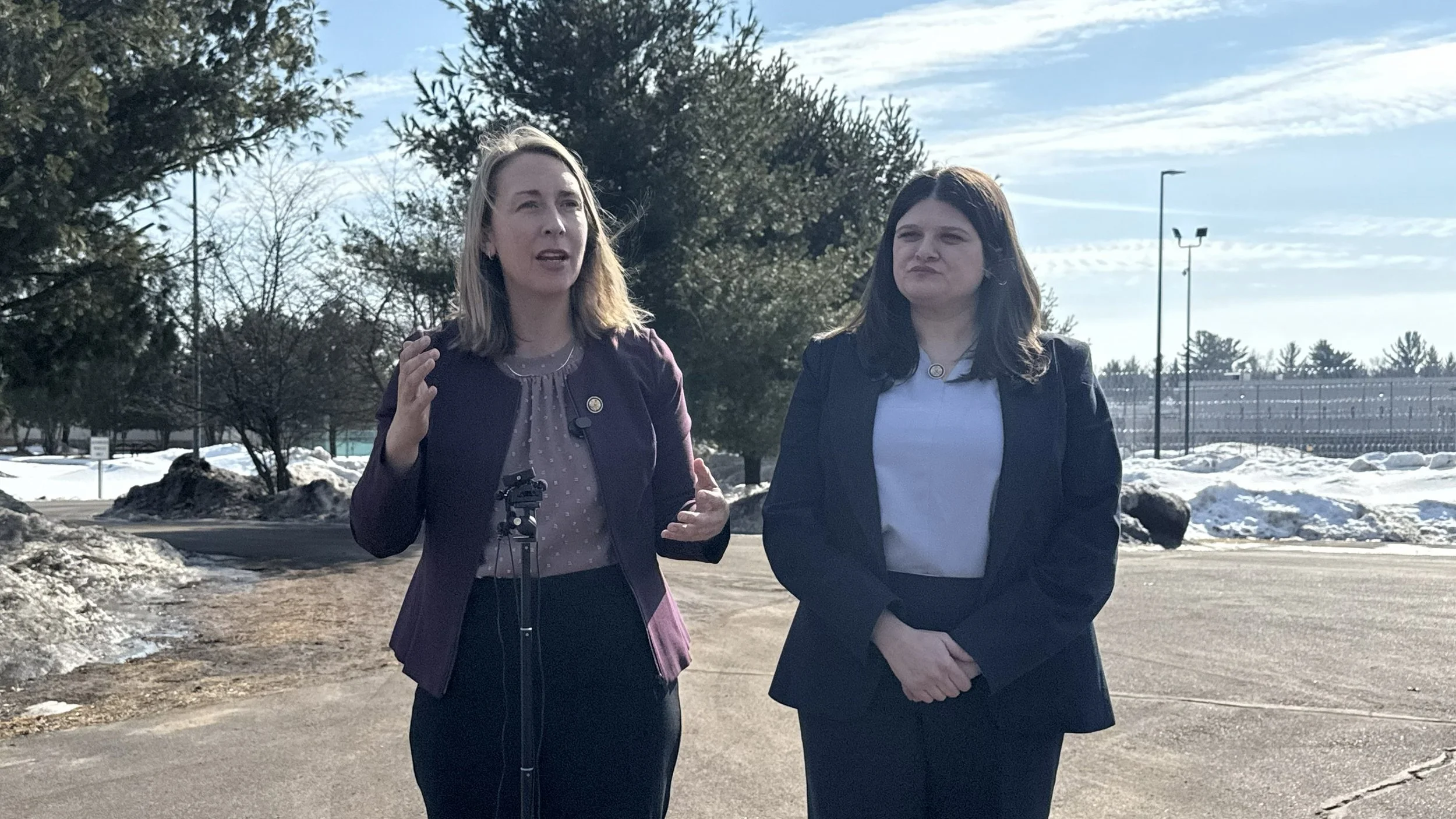
Representatives Haley Stevens and Hillary Scholten visited an ICE detention facility in Lake County, Michigan on Tuesday, and spoke to reporters about their observations.
The visit came just over two months since the death of 56-year-old Nenko Gantchev, a Bulgarian national, at the facility. The representatives sent a letter to DHS Secretary Kristi Noem and ICE Acting Director Todd Lyons in December requesting an investigation into Gantchev’s death and conditions at the facility. Scholten stated they have not yet received a response to the letter.
Both the representatives and members of the press were prohibited from taking pictures or video inside the facility, and press was unable to accompany Stevens and Scholten on the tour inside.
The facility, formally known as the North Lake Processing Center, is owned and operated by The GEO Group, Inc. (GEO), a Florida-based company the operates a number of private prisons in the United States. The facility was formerly a prison before closing in 2022. It reopened as an ICE facility in June 2025.
Scholten stated that there are 1,500 people “from across the state and the Midwest region” being held at the facility. She added that “the vast majority” of the detainees are men, and there are “100 or so” women being detained there as well. Scholten said they had requested to put out a sign-up sheet for detainees that wanted to speak with them, and that of nearly 100 sign-ups, only about four were able to speak with the representatives during the visit.
Stevens described the conversations with detainees as “very eye-opening”, adding that their questions were answered, “but there’s also more questions”. Stevens stated that there is still an ongoing review of Mr. Gantchev’s death.
Following opening remarks, both lawmakers took questions from members of the press.
[Stevens and Scholten] described conditions at the facility, while also noting that the scheduled nature of the visit raised questions on whether the facility was specifically prepared in terms of cleanliness and presentation for their visit.
The representatives also described interactions with detainees, which had been observed by facility staff. [The lawmakers said] that over a hundred detainees requested to speak with [them], and that many of those requests were not fulfilled during their visit. Stevens spoke of a pregnant woman who was brought to the facility [from California], who she described as “beside herself”, while also noting that [female-led staff were caring for the woman and ensuring her basic needs were met.]